Most AMR resellers are selling a product. Kosoku is selling proven operational experience. Deploy AMRs in your facility with an integrator who has actually done it — at scale.
Choosing the Right Mobile Automation Tier
This page covers fleet-managed AMR logistics — 5–20 units, plant-wide deployment, dynamic routing, fleet management software. If you need one or two pallet movers for a single palletizing cell without the overhead of a fleet management platform, Kosoku's Global AGV L12 is likely the better fit.
Peter Martinez has personally managed large-scale AMR fleet deployments. That experience — site mapping, route planning, fleet management software, change management, and real-world troubleshooting — is what Kosoku brings to every project. Most AMR resellers have sold systems. Our team has run them.
Hands-On AMR Fleet Deployment ExperienceIf your facility has repetitive internal transport routes, AMRs can replace them — without conveyors, without floor tape, without major infrastructure changes.
Deliver raw materials, packaging components, or sub-assemblies from storage to production lines. AMRs eliminate manual trips and keep lines running without forklift congestion on the production floor.
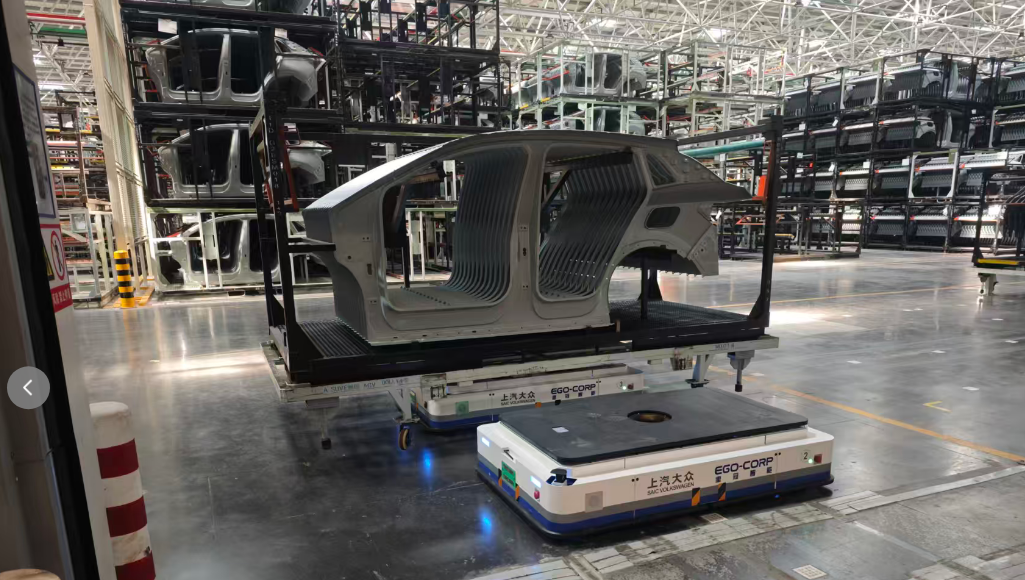
Move work-in-process between production stages, staging areas, or value-added operations. AMRs follow your production flow and adapt as routes change — no fixed conveyor required.
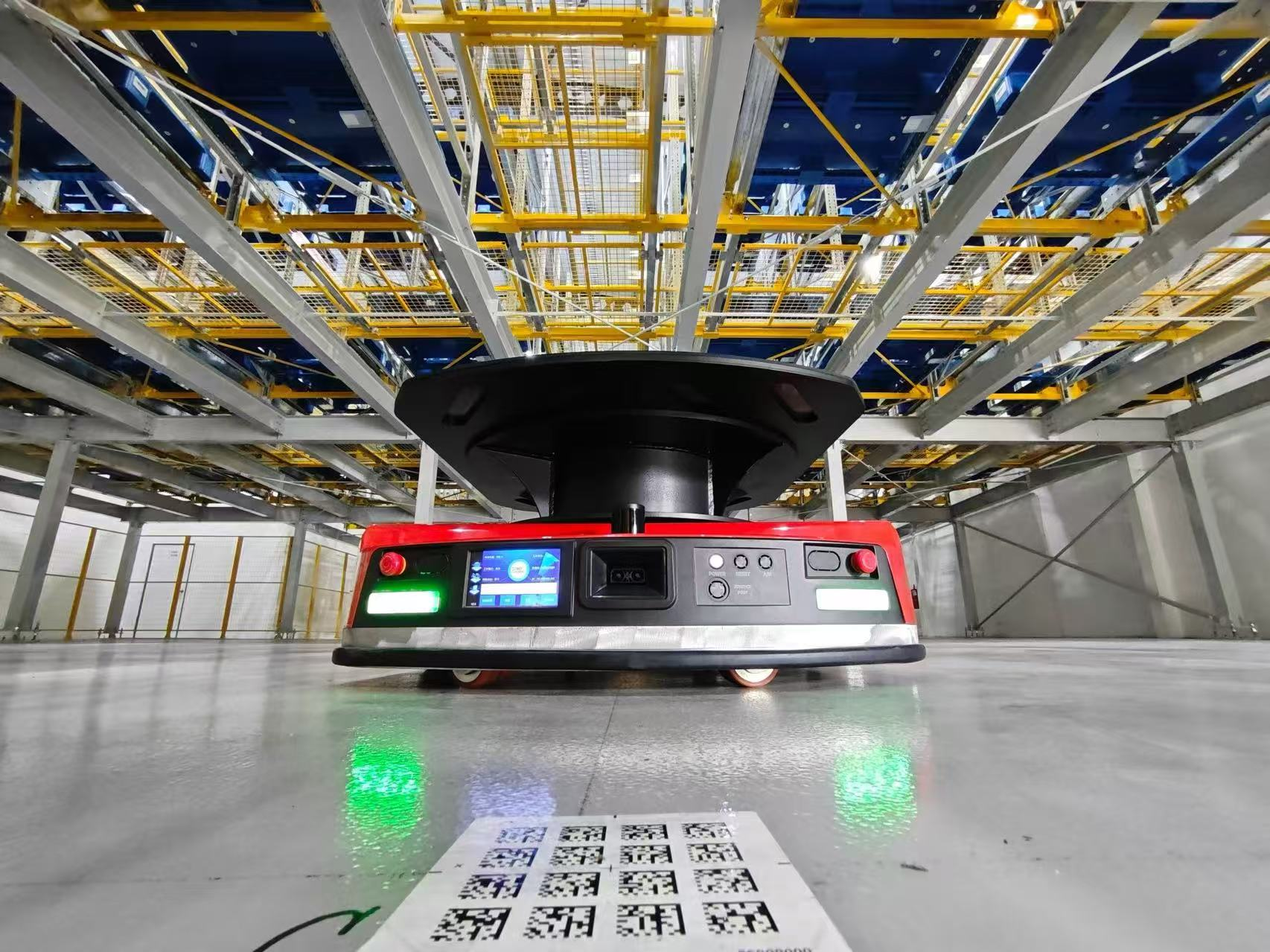
Goods-to-person fulfillment, tote replenishment, and bin transport for manufacturing and distribution operations. Shelf-carrying AMRs reduce picker walking and improve throughput.
Automate the inbound leg — move received materials from the dock to their storage location without manual forklift assignments. Consistent, repeatable, tracked.
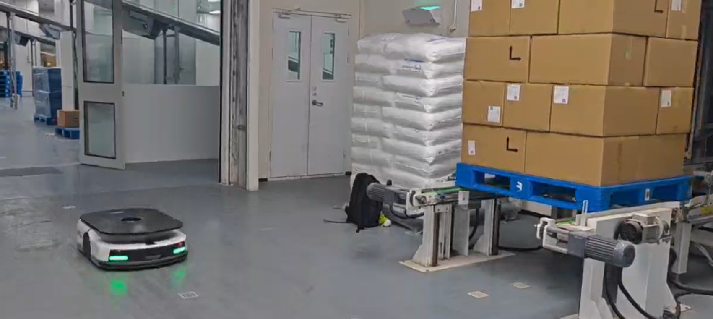
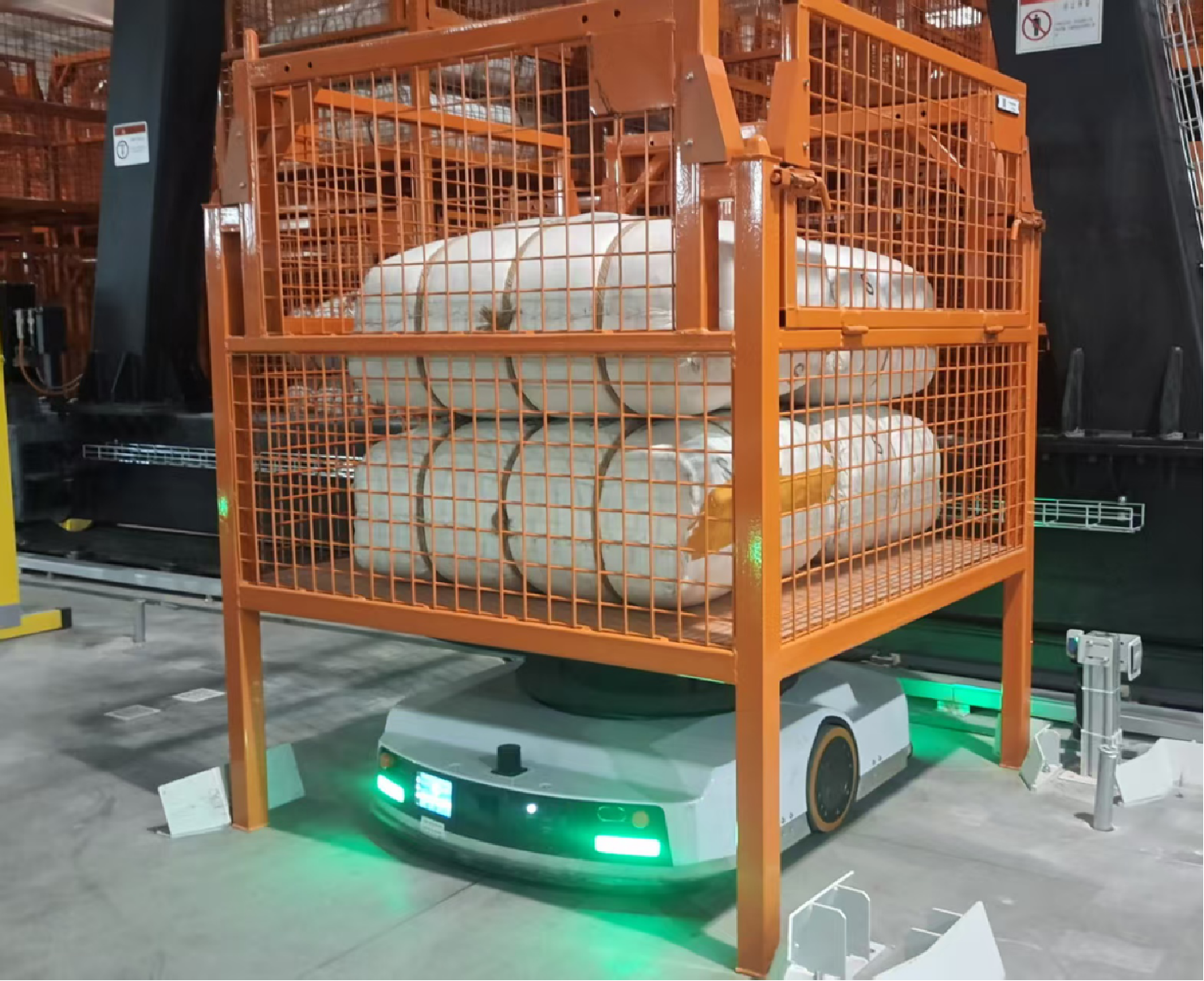
Move loaded pallets between production, staging, and shipping without manual forklift operators on repetitive routes. Pallet AMRs handle loads up to 4,400 lbs and integrate with existing WMS systems.
Pull finished goods from production staging and deliver to shipping dock lanes or outbound staging. Reduces forklift congestion in high-traffic shipping areas and eliminates wait time at the cell.
A structured process — built on real deployment experience — that gets your AMRs operational without surprises.
We walk your facility, map current material flows, identify repetitive routes, measure travel distances, and document throughput requirements. This is the foundation of every system we design.
We quantify how many forklift trips are being replaced, how many labor hours are saved per shift, and what safety incidents are eliminated. Real numbers from your facility — not generic benchmarks.
We select the AMR platform that fits your application, design the fleet, map routes in fleet management software, and specify charging infrastructure and traffic management rules.
We install, commission, and train your team on the fleet management platform. We run the first production shift with you. Ongoing maintenance contracts keep the fleet running at spec.
The ROI case for AMRs in manufacturing and distribution is built on three pillars: labor cost reduction, throughput improvement, and safety incident reduction. For most facilities, a 5–10 AMR deployment pays back within 18–30 months.
Kosoku builds the ROI case with your actual numbers — your labor rates, your shift structure, your forklift utilization — not industry averages. That specificity is what moves projects from "interesting" to approved.
Request a Site Survey →Typical Sales Cycle
AMR Project Target Size
Typical Project Value
Typical Payback Period
Kosoku is not exclusive to any single AMR brand. We evaluate every platform against your application requirements and select accordingly.
The Camel series shelf-carrying AMR for goods-to-person and tote transport applications. Competitively priced for the mid-market with strong US technical support.
Goods-to-person and tote transport AMRs with established fleet management software and a broad range of shelf configurations for manufacturing and distribution environments.
The MobilePallet handles full pallet loads in manufacturing environments where heavier material handling is required alongside the lighter shelf-carrying fleet.
The MC600 pallet AMR with strong US-based support infrastructure. Suitable for lighter pallet transport applications within a standalone logistics deployment.
OTTO 600 and OTTO 1500 heavy-duty pallet AMRs (Rockwell Automation) for high-throughput manufacturing environments requiring industrial-grade payload and reliability.
If your application requires an AMR platform not listed here, we evaluate it. Our goal is to match the right hardware to your application — not to push inventory.
Kosoku Automation's Track 2 service deploys autonomous mobile robot systems for internal logistics at manufacturing and distribution facilities in Texas, completely independent of any palletizing project. Target applications include line-feeding, WIP transport between production stages, tote and bin movement for goods-to-person operations, receiving-to-storage, and pallet logistics. The service is led by Peter Martinez, who has hands-on experience managing large-scale AMR fleet deployments — giving Kosoku operational knowledge that most AMR resellers cannot provide. Target project size is 5–20 AMRs, valued at $50,000–$300,000, with a typical sales cycle of 2–6 months. Kosoku is manufacturer-agnostic and works with RobotPhoenix, Geek+, Prime Robotics, MiR, and OTTO depending on application requirements.
A site survey costs you nothing. We walk your floor, identify the highest-value automation routes, and build the ROI case with your real numbers.